Healthy Diet
1. Diet principle: Avoid meat and fish, and mainly consume vegetarian food, especially vegetarian food rich in soluble dietary fiber.
2. Maintain a healthy diet and fresh food. Avoid unclean or spoiled food, do not eat snacks, try not to dine out, and do not consume new foods that you have never eaten before.
3. Avoid a high-protein diet. Eat less seafood, fish, shrimp, eggs, milk and other allergenic foods.
4. Avoid a high-fat diet. Eat less fatty meat, animal offal and nuts rich in fat.
5. Avoid spicy and stimulating foods and seasonings, such as chili, curry, ginger, scallions, garlic, Chinese prickly ash and pepper.
6. Avoid foods rich in iron or with dark color, such as animal blood, pig liver, black fungus, kelp, seaweed, black sesame, tomatoes, chocolate, cocoa, cherries, mulberries, and snacks or drinks with artificial coloring.
7. Avoid indigestible foods, such as tough and sinewy meat, unprocessed soy products, fried foods, glutinous rice and its products.
8. Encourage food diversity, a light and low-salt diet, and eat more cereals, beans, fruits and vegetables rich in dietary fiber, such as oats, barley, peas, broad beans, lemons, oranges, apples, pineapples, bananas, cabbage and alfalfa.
9. Encourage appropriate physical activity. Balance food intake with physical activity.
Management
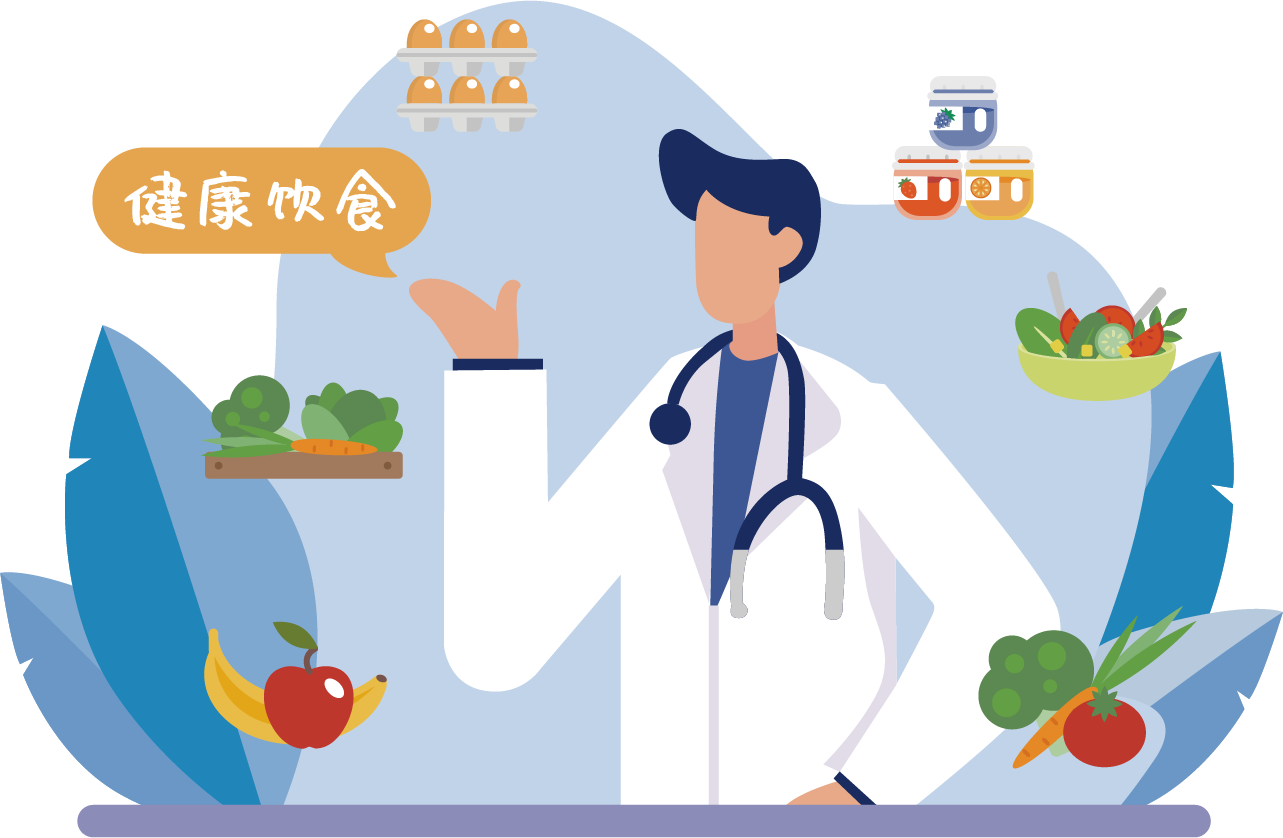

Daily diet guidance
Avoid animal-based foods. Focus on a plant-based diet,
especially foods rich in soluble dietary fiber.


Questionnaire before donation
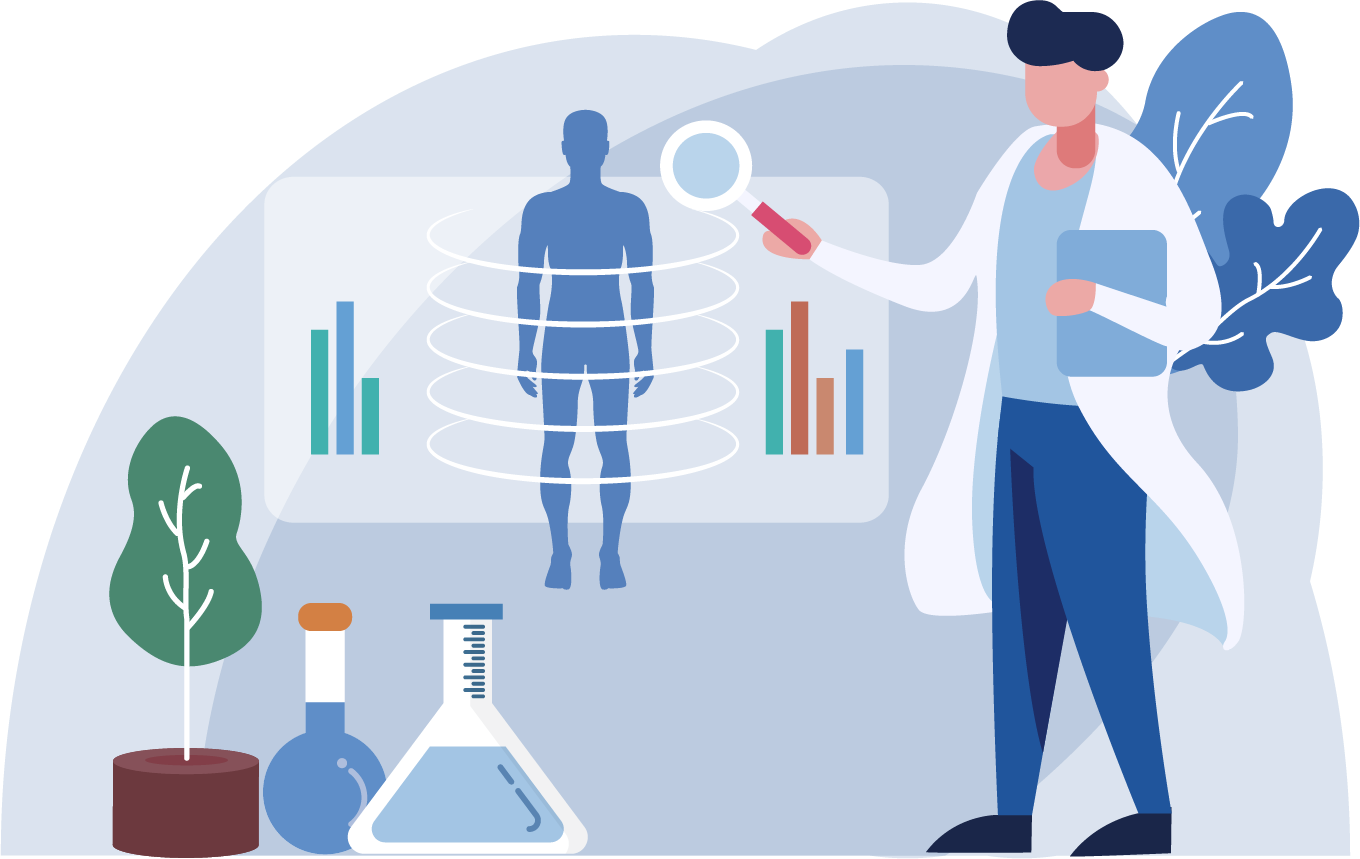

Regular re-examinations

Gastrointestinal pathogen detection
Fecal sample sequencing
Partial physical examination items
Comprehensive re-examination
Archives