Dietary Guidance
1. Eat a varied diet with grains as the staple
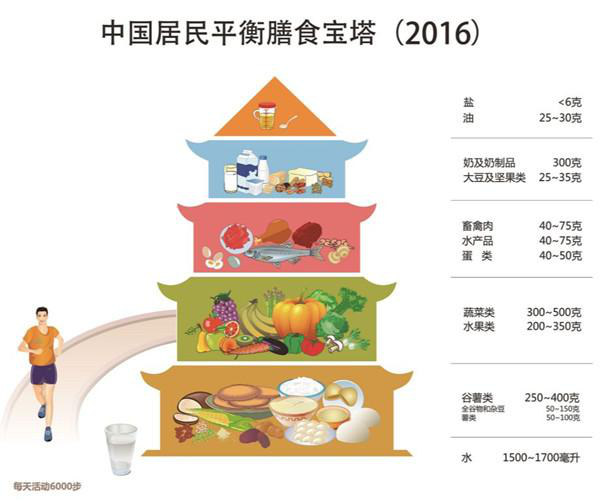
1. Include grains and tubers, vegetables and fruit, meat, poultry, fish, eggs and dairy, as well as soybeans and nuts in your daily diet.
2. Aim for more than 12 kinds of food each day and more than 25 kinds each week.
3. Consume 250–400 g of grains and tubers daily, including 50–150 g of whole grains and mixed beans and 50–100 g of tubers.
2. Eat more vegetables, fruit, dairy and soy products
1. Consume 300–500 g of vegetables daily. Dark-colored vegetables, mainly dark green and red vegetables, should account for about half; pickled vegetables are not included.
2. Consume 200–350 g of fresh fruit daily. Fruit juice is not a substitute for whole fruit.
3. About 300 ml of milk is recommended daily. If milk causes diarrhea or bloating, try lactose-free milk or yogurt.
3. Eat fish, poultry, eggs and lean meat in moderation
1. Fish is relatively low in fat and cholesterol and rich in unsaturated fatty acids, making it the preferred animal-protein choice.
2. Eat the egg yolk rather than discarding it, but limit intake to no more than one yolk per day.
3. Choose lean meat and eat less fatty meat.
4. Animal organs are rich in iron and vitamins A and B but relatively high in cholesterol; limit them to two or three times per month.
4. Use less salt and oil, limit sugar and avoid alcohol
1. Choose lightly seasoned foods and eat fewer salty and fried foods. Adults should consume no more than 6 g of salt and 25–30 g of cooking oil per day.
2. Limit added sugar to no more than 50 g per day, preferably below 25 g.
3. Avoid smoking and alcohol for three months after transplantation.
4. Keep trans-fat intake below 2 g per day.
5. Drink enough water; 1,500–1,700 ml per day is recommended for adults.
Inflammatory bowel disease
Recommended: Moderate amounts of high-quality protein such as eggs and milk; foods rich in omega-3 unsaturated fatty acids such as deep-sea fish oil; low-FODMAP foods such as leafy greens, bananas and lactose-free milk; and soft, easily digestible foods.
Avoid: Coarse grains, foods high in insoluble dietary fiber such as celery and chives, high-fat and high-protein diets, red meat, seafood, and foods that have previously triggered recurrent symptoms.
Hypertension
Recommended: Potassium-rich foods such as beans, almonds, shrimp and lean meat, as well as fish, fruit and vegetables.
Avoid: Bacon and other cured meats, high-fat or spicy foods, salty and high-calorie foods, and strong tea.
High blood glucose
Recommended: Whole grains such as cornmeal and Chinese yam, beans and soy products, bitter melon, mulberry leaves, onions, mushrooms and pumpkin.
Avoid: Sugary foods and drinks such as preserved fruit and juice, animal organs, fried and barbecued foods, pureed foods such as porridge, spicy foods and spirits.
High blood lipids
Recommended: Fish, whole grains, fruit and vegetables.
Avoid: Foods high in salt or sugar, alcohol, and high-fat foods such as fatty meat and animal fats.
High uric acid
Recommended: Drink plenty of water and choose fruit and vegetables such as sweet potatoes, eggplant, bok choy and lettuce, together with rice and other low-purine staples.
Avoid: Alcohol; high-purine foods such as animal organs, bone marrow and seafood; meat, chicken, rib and fish broths; and chives, chili peppers, mushrooms and scallions.
For dietary guidance related to a specific medical condition, please follow your clinician’s advice.